Quick Answer
No, dates, figs and prunes are three completely different fruits from three different plants.
They look broadly similar in dried form, share a dark sticky appearance, and tend to sit next to each other on supermarket shelves. But they come from entirely separate botanical families, grow on different trees, and have noticeably different nutrition, flavour and culinary uses.
Dates: From the Date Palm
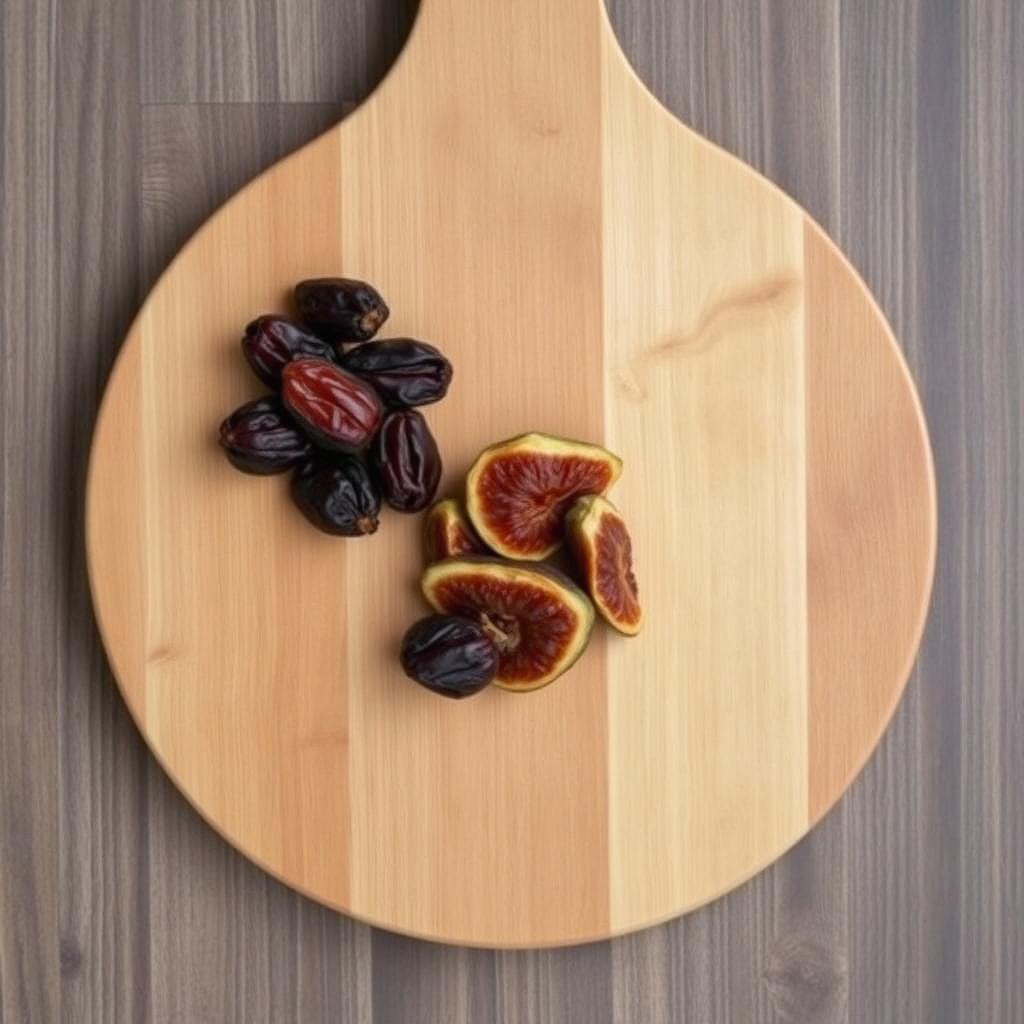
Dates are the fruit of the date palm tree, scientific name Phoenix dactylifera. The species is native to the Middle East and North Africa and has been cultivated for over 6,000 years. Dates grow in heavy hanging clusters and ripen on the tree to a deep brown sugar concentration that does not need additional drying for many varieties.
- Common varieties: medjool, deglet noor, ajwa, barhi, halawi.
- Flavour: deeply caramel like, sticky, almost candy sweet.
- Nutrition (per 100 g): roughly 280 kcal, 75 g carbs, 7 g fibre, naturally high in potassium and magnesium.
- Best uses: energy balls, sticky toffee pudding, smoothies, sweetener replacement, stuffed with nut butters.
Figs: From the Common Fig Tree
Figs are the fruit of Ficus carica, the common fig. Botanically a fig is not really a fruit in the standard sense; it is an inverted flower. The flesh you eat is the inside of a structure called a syconium, and the tiny crunchy bits are seeds from hundreds of internal flowers. Figs are native to the Mediterranean and Western Asia and are grown fresh in season, then dried for year round availability.
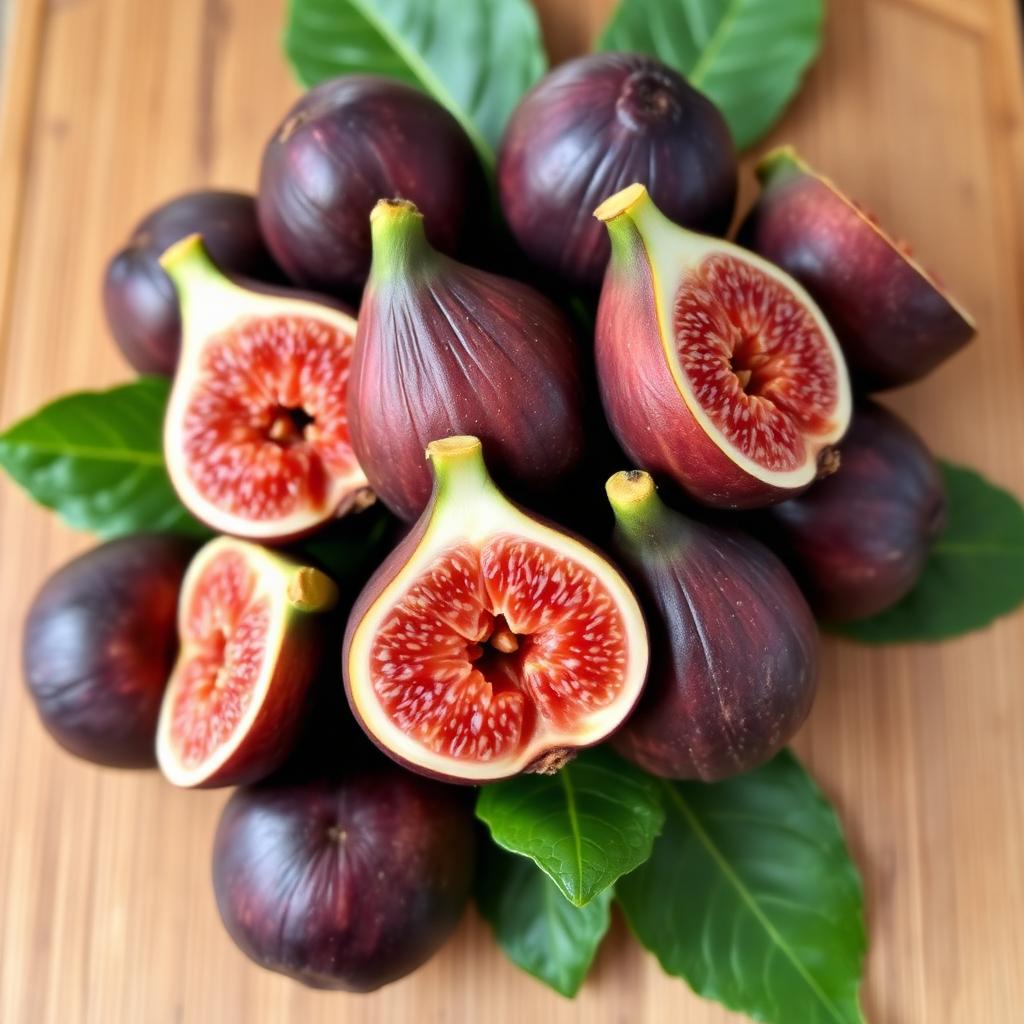
- Common varieties: black mission, brown turkey, calimyrna, kadota.
- Flavour: floral, jammy, mild honey notes, slight crunch from seeds.
- Nutrition (per 100 g dried): roughly 250 kcal, 64 g carbs, 10 g fibre, high in calcium for a fruit.
- Best uses: cheese boards, jams, baked goods, salads with prosciutto and goat's cheese.
Prunes: Dried Plums
A prune is simply a dried plum. Specifically, the European plum Prunus domestica, with sub varieties bred for high sugar and high pectin so they dry without fermenting. The United States renamed the marketing category from "prunes" to "dried plums" in 2001 but the underlying fruit is the same.
- Common varieties: Agen (French prune), Imperial, Stanley.
- Flavour: rich, tangy, slightly tart, gentler sweetness than dates.
- Nutrition (per 100 g): roughly 240 kcal, 64 g carbs, 7 g fibre, well known for soluble fibre and sorbitol content that supports digestive regularity.
- Best uses: compotes, stews like the Moroccan lamb tagine, plum butter, bread fillings, breakfast cereals.
Quick Comparison
- Tree family: dates from palm (Arecaceae), figs from mulberry (Moraceae), prunes from rose (Rosaceae).
- Sweetness: dates highest, figs middle, prunes lowest.
- Texture: dates jammy and sticky, figs chewy with seeds, prunes soft and silky.
- Best famous use: dates in sticky toffee pudding, figs on a cheese board, prunes in a lamb tagine.
Bottom Line
Dates, figs and prunes are three completely separate fruits. They get grouped together because they all sit dried in the same supermarket aisle and all look dark and sticky. But the trees they come from, the way they grow, the nutrition they deliver and the way you cook with them are all different. Knowing which is which makes a real difference at the dinner table.
Dates, Figs and Prunes: Frequently Asked Questions
Are dates, figs and prunes the same thing?
No. They are three different fruits from three different plants. Dates grow on date palms, figs on fig trees, prunes are dried plums.
Which is sweetest?
Dates, by a clear margin. Medjool dates are around 66 percent sugar by weight.
Which is highest in fibre?
Prunes have the most soluble fibre and are best known for digestive support.
Can I swap them in recipes?
Often yes for baking. Dates are sweeter, figs add seeds and texture, prunes add moisture and a deep flavour.
Are they all good for you?
All three are nutrient dense. Watch portions because the natural sugars add up quickly.
Which lasts longest in storage?
All three keep for a year or more in the fridge. At room temperature plan on a few months sealed.
Choosing Between Dates, Figs, and Prunes: More Reader Questions
Which has the most antioxidants?
Prunes rank highest by ORAC score, followed by figs, then dates.
Best for a quick energy boost?
Dates. Their high glucose and fructose hit fast.
Best for digestion?
Prunes. They are well studied for relieving constipation.
Best for baking?
Figs add texture and visible seeds. Dates add sweetness and moisture. Prunes add dark richness.
Can I make jam from any of them?
Yes. Date paste, fig jam, and prune butter are all classics.
Are they safe in pregnancy?
All three are safe in normal portions and are sometimes recommended for iron and fibre.